Adaline: A Bold Statement in Typography
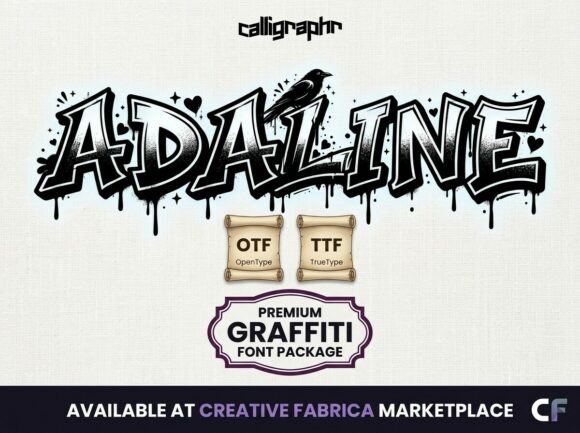
Typography plays a crucial role in visual communication, and the right font can transform a simple message into a powerful statement. Adaline is a decorative display font that stands out for its artistic flair and strong visual identity. Designed with creativity in mind, this font is ideal for those who want to make an impression without compromising on professionalism.
Unlike traditional typefaces that prioritize readability over style, Adaline embraces a more expressive approach. Its unique design elements give each letter a sense of movement and character, making it perfect for high-impact applications. Whether used in logos, headlines, or packaging, Adaline ensures that every word commands attention.
The Artistry Behind Adaline
Adaline is not just a font; it's a work of art. Each character is crafted with intricate details that add depth and personality. The font’s design incorporates artistic elements that make it stand out in any context. From the sharp angles to the flowing curves, every aspect of Adaline contributes to its distinctive look.
This level of detail makes Adaline particularly effective for creative projects where visual appeal is essential. Designers and artists often seek fonts that allow them to express their vision without limits, and Adaline delivers exactly that. Its bold strokes and dynamic structure provide a foundation for innovative typography that captures the essence of modern design.
Versatile Applications of Adaline
While Adaline is primarily designed as a display font, its versatility extends beyond just headlines. It can be used in a variety of contexts, including branding, editorial design, and digital media. The font’s ability to maintain a polished finish while delivering a striking visual impact makes it suitable for both print and screen.
One of the most common uses for Adaline is in logo design. Its strong presence allows it to serve as the central element of a brand’s identity, reinforcing the message and values of the business. For instance, a boutique fashion label might use Adaline to create a logo that exudes elegance and sophistication, while a tech startup could leverage its boldness to convey innovation and energy.
In addition to logos, Adaline is also effective in packaging design. Whether it's for a product box, a label, or a promotional flyer, the font adds a touch of uniqueness that sets the item apart from competitors. Its all-caps format ensures consistency and clarity, making it easy to read even at smaller sizes.
Understanding the Limitations of Adaline
It's important to note that Adaline is an uppercase-only font, which means it does not include lowercase letters. This design choice is intentional, as it allows the font to maintain a cohesive and impactful appearance. However, it also means that users must be mindful of how they incorporate it into their work.
For example, when using Adaline in a text-heavy document, such as a brochure or a website, it may not be the best choice for body copy. Instead, it should be reserved for headings, titles, or other areas where a strong visual presence is desired. Designers should also consider pairing Adaline with a complementary font to balance the overall composition.
Despite its limitations, Adaline remains a valuable tool for designers who want to add a touch of creativity to their projects. Its focus on uppercase letters ensures that every character is a statement, making it ideal for situations where emphasis and impact are key.
Technical Aspects of Adaline
Adaline is available in two file formats: OTF (OpenType Font) and TTF (TrueType Font). These formats ensure compatibility across different design software and platforms, making it accessible to a wide range of users. The OTF version is particularly useful for advanced layout features, while the TTF version offers broad compatibility for everyday use.
When working with Adaline, it's essential to choose the appropriate file type based on the project’s requirements. For professional design work, especially in print or complex layouts, the OTF format is recommended. For general use, such as web design or basic graphic projects, the TTF format provides sufficient quality and functionality.
Additionally, users should be aware of licensing terms when purchasing and using Adaline. Depending on the intended application, there may be restrictions on commercial use, redistribution, or modification. It's always advisable to review the license agreement carefully before incorporating the font into any project.
Choosing the Right Font for the Right Purpose
Fonts are more than just a stylistic choice; they play a significant role in how information is perceived and understood. When selecting a font, it's important to consider the context, audience, and purpose of the design. Adaline excels in scenarios where a bold and artistic presence is needed, but it may not be the best fit for every situation.
For instance, in a corporate setting, a more traditional font might be preferred to convey professionalism and reliability. In contrast, a creative agency or a small business looking to stand out might find Adaline to be an excellent choice. The key is to align the font’s characteristics with the overall goals of the project.
Designers should also experiment with different font pairings to achieve the desired effect. Combining Adaline with a clean, sans-serif font can create a balanced and modern look, while pairing it with a serif font might add a sense of tradition and elegance. Ultimately, the success of a design depends on how well the chosen fonts complement each other and support the message being conveyed.
Conclusion
Adaline is a standout font that offers both artistic expression and practical functionality. Its unique design elements make it ideal for creating eye-catching headlines, logos, and packaging, while its technical specifications ensure compatibility across various platforms. Although it is an uppercase-only font, this limitation enhances its visual impact and makes it a powerful tool for designers who value boldness and creativity.
By understanding the strengths and limitations of Adaline, users can make informed decisions about how to best utilize it in their projects. Whether for branding, editorial design, or digital media, Adaline has the potential to elevate any design with its distinctive style and strong presence.